
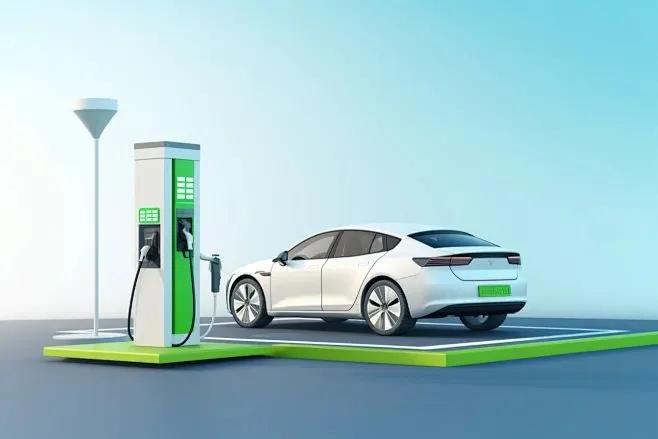

A leading innovator in the electric battery industry, the company is dedicated to developing advanced and sustainable energy storage solutions. It designs and manufactures high-performance batteries for electric vehicles, renewable energy systems, and industrial applications.Through continuous research and innovation, it delivers batteries with longer lifespans, faster charging, and higher energy density using lithium-ion and next-generation technologies. Committed to excellence and sustainability, driving the future of energy by empowering industries with reliable and eco-friendly power solutions.
🚗
EV Manufacturing & Supply Management .
⚡
Charging Infrastructure Services
🔋
Battery & Energy Management Technics
🧠
R & D and Technology Solutions
🛠️
Maintenance & After-Sales Support
🌍
Charging Network & Fleet Management
_11zon_11zon.webp)
Electric batteries are revolutionizing the way we store and use energy, powering everything from smartphones to electric vehicles. They are at the heart of renewable energy integration, enabling efficient storage of solar and wind power for consistent use. Advances in battery technology are increasing energy density, reducing charging times, and extending lifespan, making sustainable energy solutions more practical. As industries shift toward electrification, batteries are not just supporting modern devices—they are shaping the future of transportation, grid management, and a cleaner, more sustainable world.
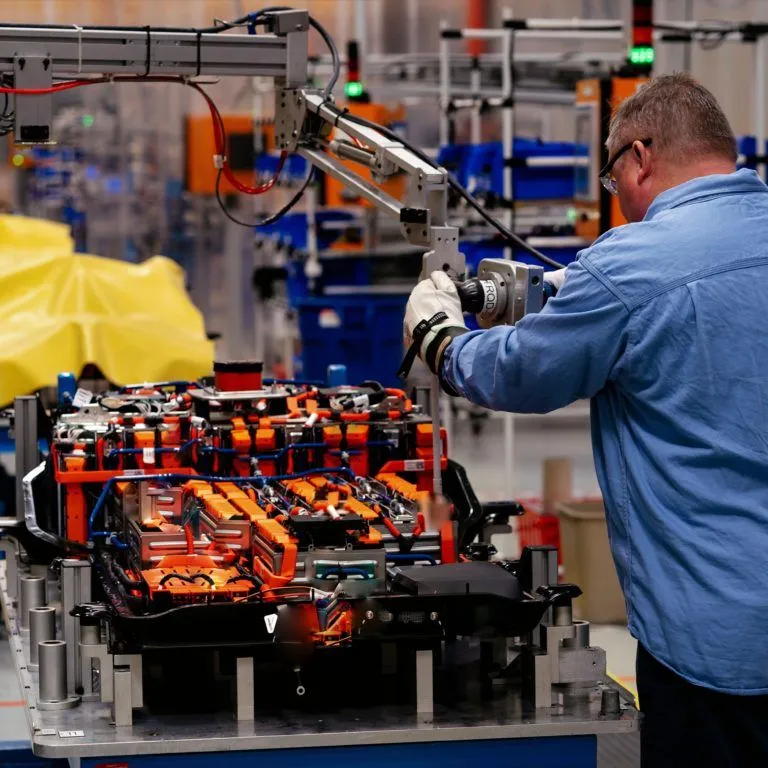
Modern battery manufacturing combines precision engineering with advanced automation. The process begins with preparing electrode materials, followed by coating them onto metal foils. These electrodes are then dried, cut, and assembled with separators to form battery cells. The cells undergo electrolyte filling, sealing, and formation charging to activate their chemical properties. Quality control and testing ensure safety, capacity, and performance standards. Finally, cells are grouped into modules and packs, ready for use in electric vehicles, energy storage systems, and consumer electronics, highlighting efficiency, innovation, and safety at every step.
_11zon_11zon.webp)
Battery storage systems are essential for integrating solar and wind energy into the power grid. They store excess energy generated during peak production periods and release it when demand is high or renewable output is low. This ensures a consistent and reliable energy supply while reducing dependence on fossil fuels. Modern battery systems offer high efficiency, rapid response times, and long lifespans, making them ideal for renewable applications. By balancing supply and demand, these systems accelerate the adoption of clean energy and support a sustainable, resilient power infrastructure.

Safe charging and maintenance of electric vehicle (EV) batteries are crucial for performance and longevity. Always use certified chargers and follow manufacturer guidelines to prevent overcharging or overheating. Regularly inspect batteries for signs of wear, corrosion, or damage. Maintain optimal temperature conditions, avoiding extreme heat or cold, which can degrade battery life. Periodic software updates and balancing of battery cells ensure efficiency and safety. Proper storage, careful handling, and adherence to safety protocols not only extend battery lifespan but also protect the vehicle, passengers, and the environment.
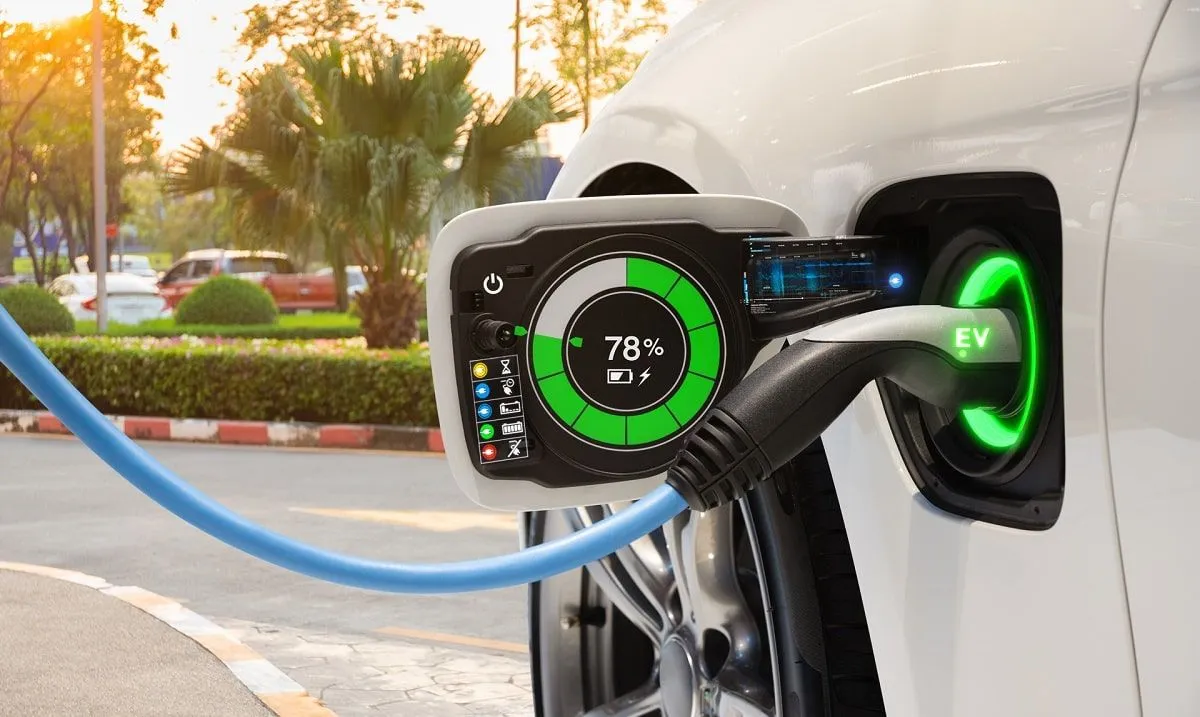
Recycling and reusing electric vehicle (EV) batteries play a vital role in sustainable energy. After their automotive lifespan, batteries often retain significant capacity, making them suitable for secondary applications like home energy storage or grid support. Recycling recovers valuable materials such as lithium, cobalt, and nickel, reducing the need for new mining and minimizing environmental impact. Advanced processes ensure safe dismantling, material extraction, and repurposing. By extending battery life and reclaiming resources, these practices support a circular economy, promote sustainability, and help accelerate the transition to clean, renewable energy.
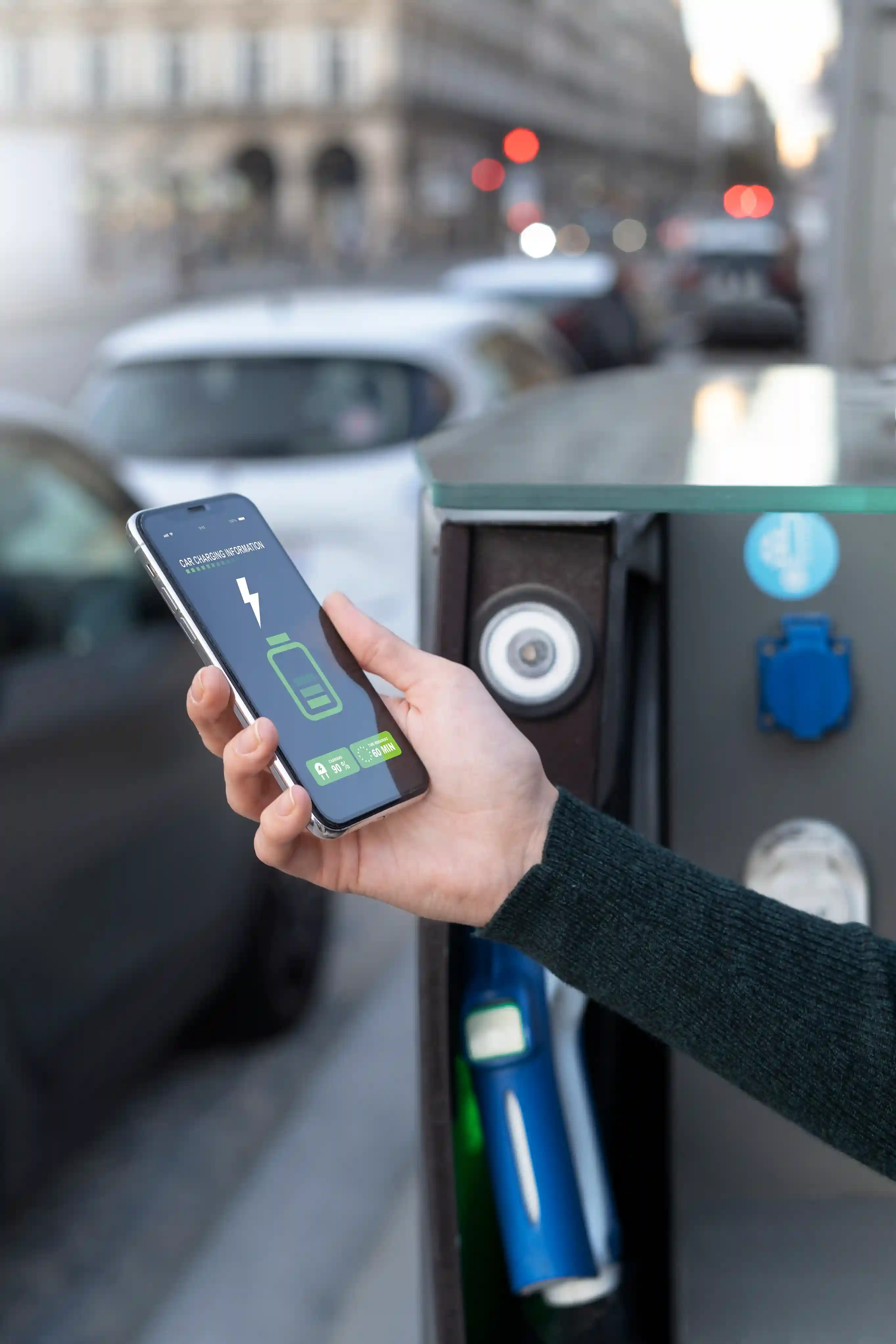
Artificial Intelligence (AI) and the Internet of Things (IoT) are transforming battery management in electric vehicles (EVs). IoT sensors continuously monitor battery temperature, voltage, and state of charge, while AI analyzes this data to optimize performance and extend lifespan. Intelligent systems can predict maintenance needs, prevent overcharging, and balance energy distribution across cells. This integration enhances safety, efficiency, and reliability, while enabling smart charging strategies and real-time diagnostics. By leveraging AI and IoT, EV batteries become smarter, more durable, and better suited to meet the demands of modern transportation.