A glass-like pod with shifting holographic circuits, suspended in mid-air by anti-gravity fields. It bends light around it as it powers up.


A glass-like pod with shifting holographic circuits, suspended in mid-air by anti-gravity fields. It bends light around it as it powers up.
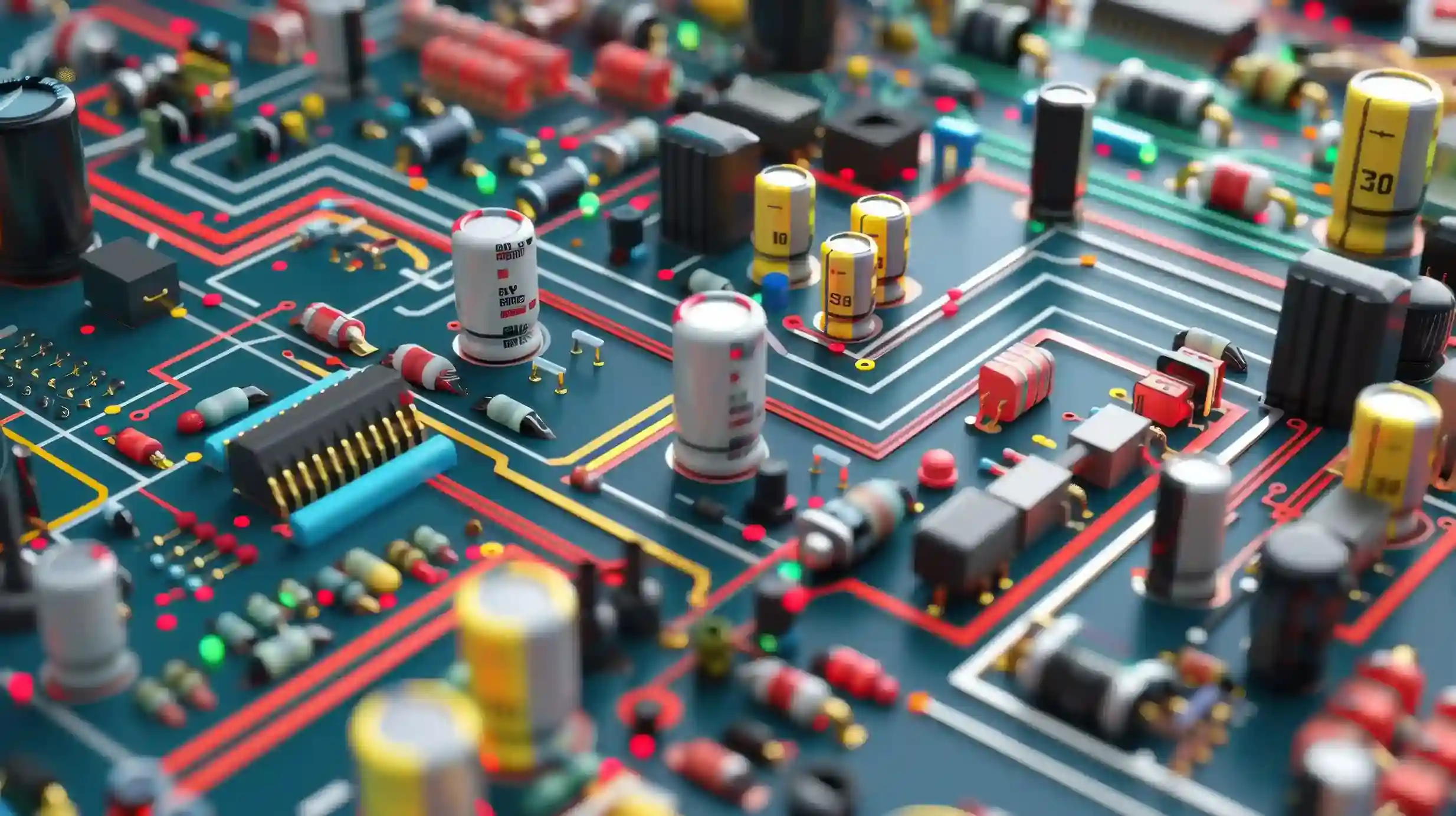
printed circuit board (PCB) with electronic components such as capacitors, resistors, ICs, connectors, copper traces, chipsets, and nodes.
A futuristic control hub holographic projections display the logistics network of electric battery production, storage, and transport.
_11zon_11zon.webp)
The orange robotic arms are used in tasks like cell assembly, welding, electrode stacking, and module integration in battery manufacturing.

engineers working inside a high-tech industrial control room relevant to this industry in monitoring, safety, and process optimization.
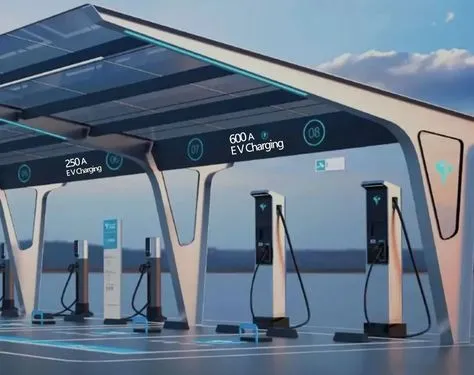
power transmission and distribution network with high-voltage towers, substations, and overhead lines in this ecosystem.
The electric battery industry is a rapidly growing global sector, driven primarily by the increasing demand for electric vehicles (EVs) and the shift towards renewable energy. This growth is fueled by supportive government policies, declining battery costs, and technological advancements in areas like lithium-ion batteries.
The global market for electric batteries has grown exponentially over the last decade, driven primarily by the rise of electric mobility and renewable energy integration. According to recent estimates, the global battery market is expected to exceed $200 billion by 2030, with lithium-ion batteries dominating the landscape. Governments, industries, and consumers are increasingly adopting batteries as part of efforts to decarbonize energy systems and reduce dependence on fossil fuels.