
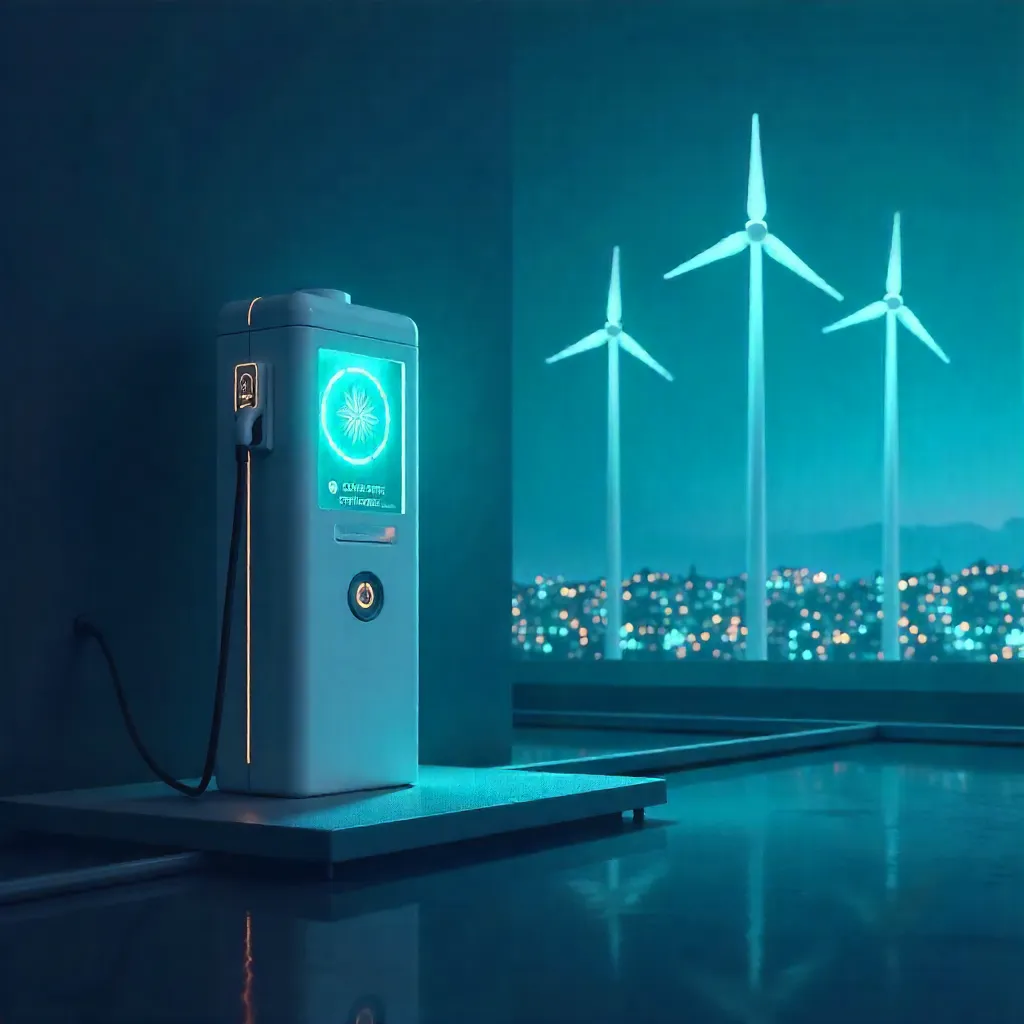
Driving sustainability through innovation and energy efficiency.
Home charging has become a cornerstone of the electric battery industry, transforming the way people power their vehicles and interact with energy systems. As electric vehicles (EVs) gain global popularity, the convenience, cost-efficiency, and sustainability of home charging make it an essential part of modern mobility. Unlike traditional vehicles that rely on fuel stations, EV owners can recharge their cars directly from home, ensuring a full battery every morning. This convenience eliminates long waits at public charging stations and significantly reduces daily operating costs. Studies show that more than 80% of EV charging happens at home, highlighting its importance in the electric battery ecosystem.
There are three main types of home charging systems: Level 1, Level 2, and DC Fast Charging. Level 1 charging uses a standard 120V household outlet and is the simplest but slowest method, suitable for plug-in hybrids or short-distance drivers. Level 2 charging, operating at 240V, is the most common and practical choice for most EV owners, offering much faster charging speeds and smart features such as timers, Wi-Fi connectivity, and energy tracking. DC Fast Charging, typically used in commercial setups, delivers rapid power directly to the vehicle’s battery but is costly and not ideal for standard residential use.
Published: October 2025 • Estimated read: 8-10 minutes
Public charging networks play a crucial role in the growth and accessibility of the electric battery industry, providing essential infrastructure that supports the widespread adoption of electric vehicles (EVs). While home charging offers convenience for daily use, public charging stations enable long-distance travel, reduce range anxiety, and make EV ownership practical for those without private parking or home charging setups. These networks form the backbone of the EV ecosystem, ensuring that drivers can recharge anywhere—whether at highways, shopping centers, workplaces, or urban hubs.
DC fast chargers, on the other hand, deliver high power directly to the vehicle’s battery, charging most EVs up to 80% in less than 40 minutes. This rapid capability is essential for intercity travel and commercial fleets.Furthermore, partnerships between governments, automakers, and energy companies are accelerating network expansion. Incentives and infrastructure investments are creating extensive charging corridors and citywide networks across the globe. In conclusion, public charging networks are vital to the electric battery industry’s success. They enable convenient, reliable, and sustainable mobility for all, ensuring electric vehicles can operate efficiently and confidently beyond the boundaries of home charging.
Published: October 2025 • Estimated read: 8-10 minutes
Commercial energy systems play a vital role in the electric battery industry by supporting large-scale energy management, renewable integration, and sustainable operations across industries. These systems are designed to store, distribute, and optimize energy for commercial buildings, factories, EV fleets, and renewable power plants. By combining advanced battery storage technologies with intelligent energy management, commercial systems help businesses reduce costs, enhance energy reliability, and minimize environmental impact.
Integration with renewable energy sources such as solar and wind further strengthens sustainability efforts. Excess renewable energy can be stored in battery units and used later, promoting efficient resource utilization. Modern commercial systems employ smart energy management software powered by artificial intelligence (AI) and Internet of Things (IoT) technologies to monitor energy flow, predict demand, and optimize battery performance. The electric battery industry is also advancing vehicle-to-grid (V2G) and microgrid technologies for commercial applications. These systems allow businesses to not only consume but also supply energy back to the grid, creating new revenue streams and improving grid stability.
Published: October 2025 • Estimated read: 8-10 minutes
Compact executive electric cars represent one of the fastest-growing segments in the electric battery industry, combining performance, luxury, and sustainability in a sleek, mid-sized design. These vehicles bridge the gap between standard family cars and high-end luxury models, offering advanced technology, refined comfort, and efficient electric powertrains. As the demand for eco-friendly yet premium mobility rises, compact executive EVs have become a key focus for automakers and battery manufacturers alike.
At the heart of these vehicles lies the high-performance lithium-ion or solid-state battery, designed to deliver greater energy density, faster charging, and longer driving ranges. Innovations in battery management systems (BMS) ensure optimal performance, safety, and thermal regulation. Many compact executive EVs now achieve ranges exceeding 500 kilometers on a single charge while supporting rapid charging capabilities that replenish most of the battery in under 30 minutes. Beyond power efficiency, these cars emphasize design, digital connectivity, and driver comfort. Features such as AI-assisted navigation, regenerative braking, and smart energy recovery systems reflect how the electric battery industry is shaping modern automotive engineering.
Published: October 2025 • Estimated read: 8-10 minutes
EV charging point planning is a crucial aspect of the electric battery industry, ensuring efficient, accessible, and reliable charging infrastructure to support the growing adoption of electric vehicles (EVs). Strategic planning of charging points not only enhances user convenience but also strengthens the overall energy ecosystem by balancing demand, reducing grid stress, and promoting the use of renewable energy sources. Effective planning begins with site selection and demand analysis, identifying key locations such as highways, urban centers, workplaces, and residential areas where EV users most frequently require charging.
Electrical load assessment is another key step. Each charging station must be designed with proper grid connectivity, transformer capacity, and energy management systems to ensure safety and efficiency. Integration with renewable energy sources such as solar or wind power further supports sustainability goals and reduces dependence on conventional electricity. Modern EV charging point planning also includes smart technologies for real-time monitoring, predictive maintenance, and dynamic pricing. Networked chargers allow users to locate available stations, schedule charging, and make digital payments through mobile applications. The adoption of AI and IoT-based management systems ensures optimal energy distribution and minimizes downtime.
Published: October 2025 • Estimated read: 8-10 minutes
Hybrid watch technology represents an innovative intersection between traditional timekeeping and modern electric battery advancements, combining the classic analog design of mechanical watches with the smart functionalities of digital devices. In the electric battery industry, hybrid watches showcase how compact energy systems and efficient power management can revolutionize wearable technology. These watches are designed to offer long battery life, seamless connectivity, and advanced performance without compromising the timeless appeal of analog craftsmanship.
At the core of hybrid watch technology lies a miniaturized battery system—typically a rechargeable lithium-ion or coin-cell battery—engineered for extended endurance. Unlike fully digital smartwatches that require frequent charging, hybrid watches can operate for weeks or even months on a single charge. The electric battery industry has played a key role in developing low-power circuits, energy-efficient sensors, and optimized battery management systems (BMS) to enhance durability and reduce energy consumption. Hybrid watches integrate features such as fitness tracking, sleep monitoring, notifications, and Bluetooth connectivity, powered by advanced micro-batteries and energy-saving software. Some models even incorporate solar charging or kinetic energy conversion, where wrist movement generates supplemental power—further aligning the technology with sustainable energy trends.
Published: October 2025 • Estimated read: 8-10 minutes